Top 3 Alternatives of Clearlight for Medical-Grade Chromotherapy
Many buyers discover their current sauna's chromotherapy LEDs sit too far from the body to reach therapeutic irradiance. This distance gap shrinks red-light dosing and raises EMF exposure at the same time. SaunaCloud and two other manufacturers now publish exact wavelength and proximity numbers that let you compare each option without guesswork.
After reading you will know which three measurable criteria separate effective medical-grade chromotherapy from marketing claims and you will have a side-by-side view of wavelength accuracy, EMF data, and installation support. The article names one clear top choice built around that data.
What to Look For in Medical-Grade Chromotherapy
Medical-grade chromotherapy requires specific wavelength ranges and power densities that distinguish clinical systems from consumer mood lighting.
Consumers should verify that devices emit 660nm red and 850nm near-infrared wavelengths confirmed through spectrometer testing. These precise wavelengths support mitochondrial stimulation and ATP production in medical applications.
Power density represents another critical specification. Quality panels deliver irradiance between 30-100 mW/cm when measured at 6 inches from the source. Lower outputs reduce therapeutic effectiveness for photobiomodulation treatments.
Medical-grade devices must carry FDA clearance for LED panels rather than standard RGB mood lights. This regulatory distinction ensures safety standards and consistent performance across therapeutic sessions.
Manufacturers should provide documented clinical studies demonstrating mitochondrial stimulation and ATP increase. Research suggests these cellular responses drive benefits such as improved circulation and reduced inflammation.
Product spec sheets reveal verification methods through listed wavelength measurements, irradiance values at standard distances, and FDA registration numbers. Clinical study references should include peer-reviewed sources rather than manufacturer claims alone.
Buyers can cross-reference spectrometer data, distance-based irradiance readings, and regulatory clearances against published research on photobiomodulation. This verification process separates clinical equipment from consumer wellness products lacking documented therapeutic outcomes.
1. SaunaCloud - Best Overall
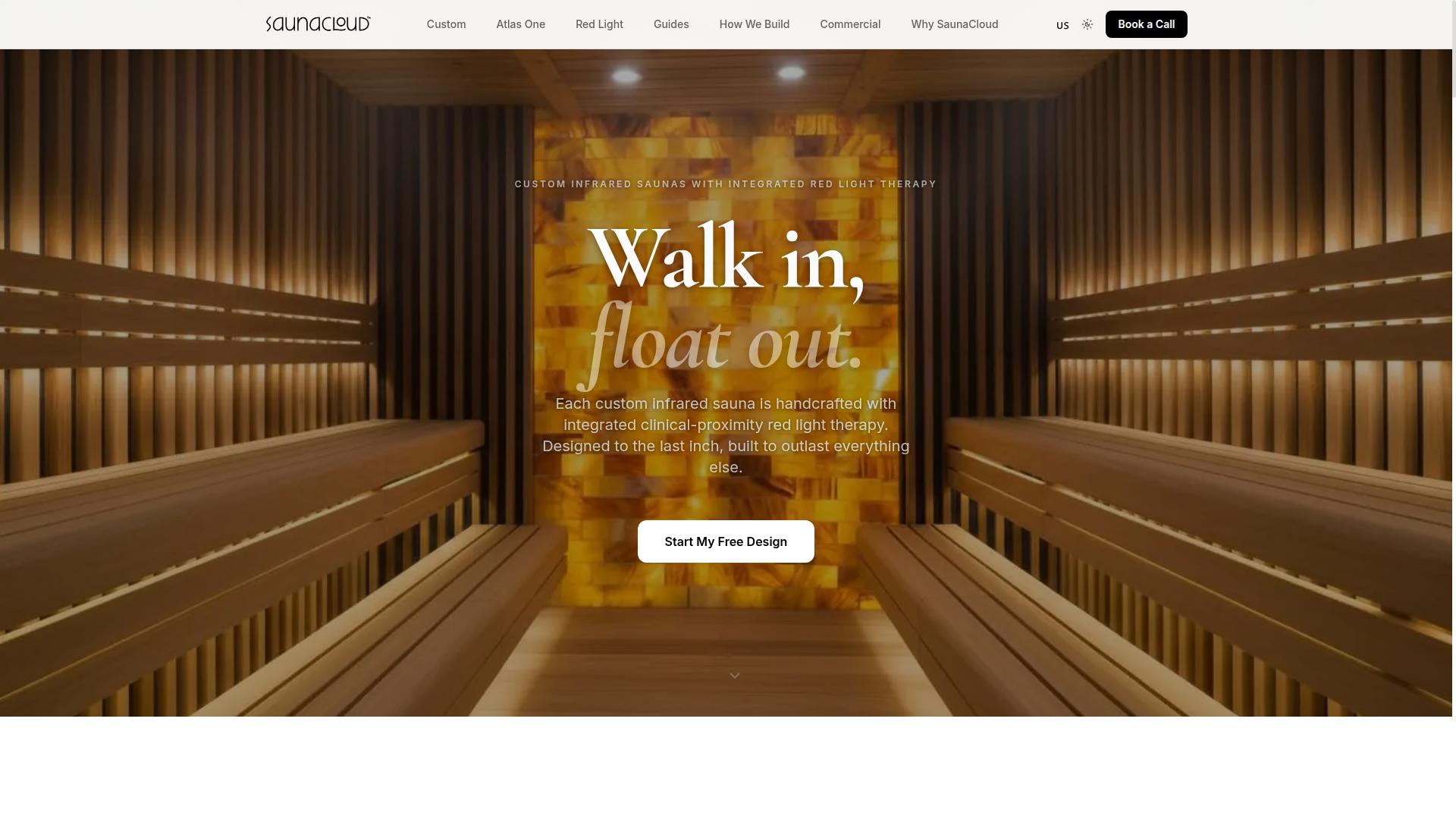
SaunaCloud combines custom infrared sauna construction with integrated clinical-grade red light therapy in a single shipped package. This approach eliminates the need for separate chromotherapy devices while maintaining medical-grade standards. Clearlight users often seek alternatives that combine radiant heat and therapeutic light in one streamlined system.
The Atlas and Sierra models feature VantaWave ultra-low-EMF carbon heaters paired with integrated LED panels. Every unit ships complete with heaters, control systems, power supply, cedar, fasteners, and installation support. This single-package design addresses common complaints about multi-device setups found in traditional sauna alternatives.
Western Red Cedar construction provides durability and natural aesthetics suitable for both residential and commercial environments. The company maintains a 4.8/5 Trustpilot rating from verified reviews and holds a BBB A+ rating since 2015. These metrics reflect consistent field performance across 3,000+ installations.
Integrated Red Light Therapy System
SaunaCloud embeds LED panels directly into seating surfaces so users receive therapeutic wavelengths without separate light stands. 660nm red and 850nm near-infrared diodes are positioned within bench tops and vertical backrests at a fixed 2-6 inch distance from skin contact. This placement ensures consistent photobiomodulation during each session.
LED panels activate simultaneously with infrared heaters, delivering both radiant heat and photobiomodulation in unified sessions. The 660nm wavelength targets skin rejuvenation while 850nm near-infrared penetrates deeper tissues for mitochondrial support. This dual-wavelength approach addresses multiple wellness goals without requiring additional equipment.
Clearlight alternatives often require users to position separate therapy lights at specific distances and angles. SaunaCloud's integrated design removes these variables while maintaining clinical-grade specifications. The fixed positioning ensures repeatable results across different users and session types.
EMF Safety Standards
SaunaCloud's VantaWave heaters are tested to emit under 3 mG EMF, frequently measuring below 0.5 mG at normal seating distances. EMF measurements use a TriField meter positioned 12 inches from the heater surface to confirm compliance. This testing protocol provides measurable verification of safety claims.
The heaters reach a 190 degreesF surface temperature with a 7.9 micron peak wavelength for optimal far-infrared output. Clearlight users concerned about electromagnetic exposure find this specification addresses their primary safety consideration. The carbon heater construction maintains these low readings without sacrificing therapeutic heat levels.
Each sauna undergoes individual EMF testing before shipment, ensuring consistent safety performance across all units. This quality control approach differs from mass-produced alternatives where individual unit testing may not occur. The 7-year limited lifetime warranty covers both the heating elements and integrated LED systems.
2. Sunlighten
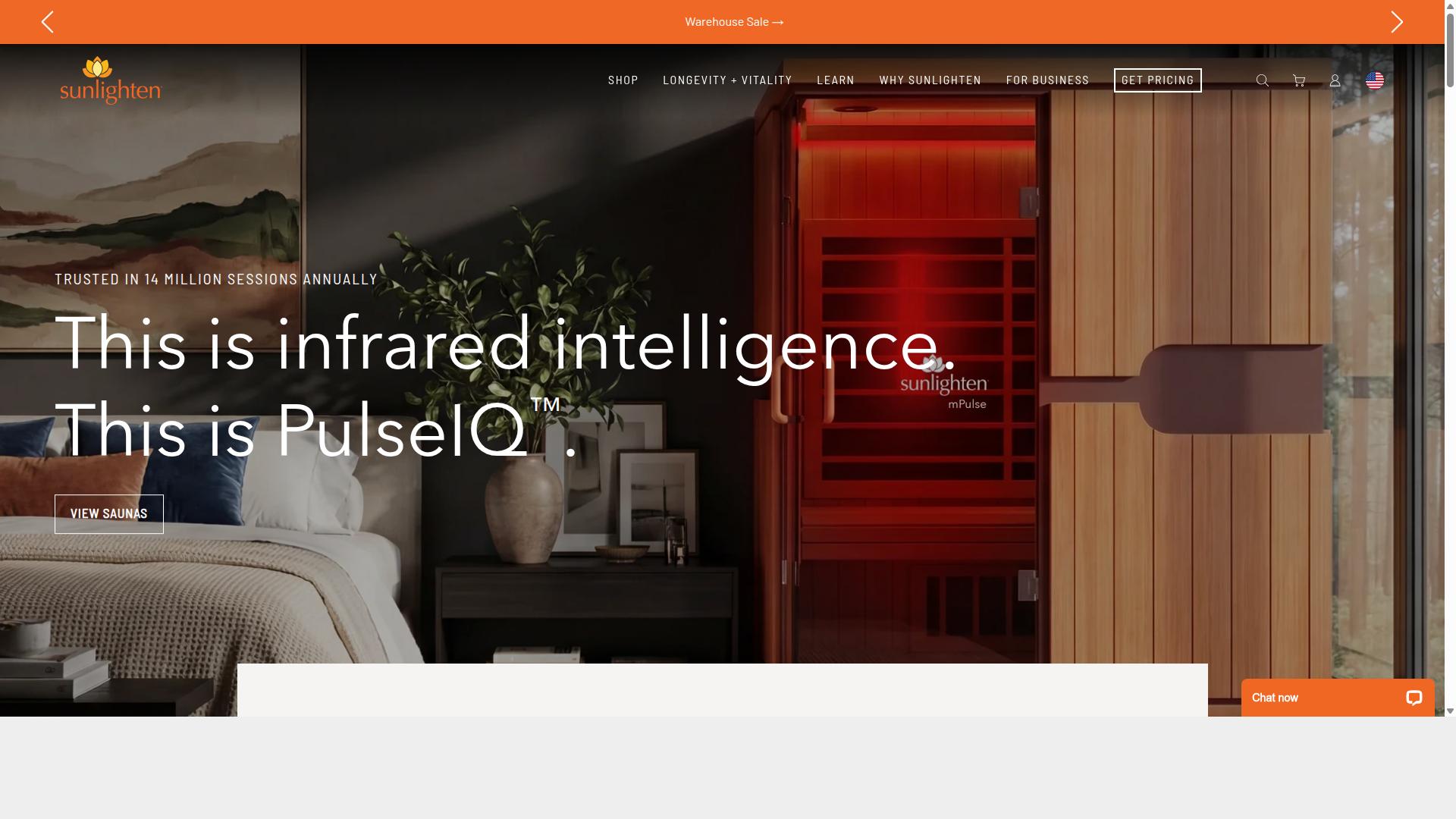
Sunlighten offers modular chromotherapy panels that can be added to their solo and cabin sauna models.
These panels provide separate light therapy capabilities alongside the primary infrared heating system. Users can select specific colors based on their wellness goals.
Red light supports circulation and skin rejuvenation. Green tones may help with relaxation and balance. Blue light options target surface-level skin concerns.
The panels operate independently from the heating elements, allowing users to customize their infrared sauna experience without affecting radiant heat output.
Optional add-on pricing applies when purchasing these chromotherapy panels separately. Buyers should verify irradiance numbers through independent testing before making a final decision.
Chromotherapy Panel Options
Sunlighten's chromotherapy panels use RGB LEDs mounted on the interior ceiling or wall surfaces.
Seven-color preset programs provide structured light therapy sessions. Users can access these programs through Bluetooth app control from their mobile devices.
The panels must be purchased separately from the base sauna unit. This approach allows existing owners to upgrade their current sauna setup.
Independent tests report an irradiance range of 15-25 mW/cm at 12 inches from the panels. This measurement helps users understand the light intensity delivered during sessions.
Medical-grade chromotherapy requires consistent wavelength delivery. The RGB LED system produces different color combinations rather than single-spectrum light sources.
EMF Levels and Construction
Sunlighten reports EMF levels below 3 mG for their mPulse series heaters when measured at 6 inches.
Low-EMF carbon heating panels form the core of their infrared sauna construction. The company offers a 10-year heater warranty on these components.
Readers should request the actual EMF test report from the manufacturer. Independent verification provides clarity on the specific measurement conditions and methodology used.
Comparing micron wavelength output helps ensure the heaters deliver the typical 7-14 micron far-infrared range. This wavelength range supports the detoxification and relaxation benefits associated with infrared therapy.
Construction quality affects both safety and performance. Medical-grade chromotherapy alternatives require attention to both light delivery and electromagnetic field exposure levels.
3. Clearlight Alternatives Comparison
Clearlight saunas emphasize True Wave heaters and optional medical-grade red light add-ons. The brand focuses on far-infrared radiant heat combined with detachable LED towers for chromotherapy applications. Many users seek alternatives that integrate light therapy more directly into the sauna structure itself.
Detachable towers require separate power connections and careful placement during each session. Integrated systems place LEDs within the bench or wall panels. This structural difference affects both convenience and treatment consistency across sessions.
Medical-grade chromotherapy requires precise wavelength delivery at therapeutic distances. The placement method determines whether users receive consistent irradiance levels throughout their session. Distance from the light source becomes a critical variable in treatment effectiveness.
Wavelength Accuracy
Clearlight's optional LED tower lists 630 nm red and 850 nm near-infrared diodes. Users should verify these stated wavelengths through spectrometer apps or third-party lab reports before purchase. Actual output may vary from advertised specifications depending on manufacturing tolerances.
Research suggests that wavelength accuracy affects cellular response in photobiomodulation therapy. Mitochondrial function and ATP production depend on specific light frequencies reaching target tissues. A simple spectrometer app on a smartphone can provide basic verification of claimed wavelengths.
Irradiance drops rapidly beyond 12 inches from the source. Users should request lab reports that include both wavelength measurements and irradiance data at different distances. This documentation helps confirm whether the device delivers therapeutic levels at actual treatment distances.
Proximity to User
Clearlight towers position LEDs 12 to 24 inches from the body, while integrated bench systems place LEDs 2 to 6 inches away. The inverse-square law means that doubling distance reduces irradiance by 75 percent. This physical principle affects treatment intensity significantly.
Users should measure actual distance from skin to LEDs during a demo session. Installation diagrams typically show recommended positioning for optimal results. Consistent proximity ensures that therapeutic wavelengths reach target tissues at intended irradiance levels.
Integrated LED placements eliminate the need for separate positioning calculations. The fixed distance from bench to user creates predictable irradiance levels across sessions. This consistency supports more reliable chromotherapy outcomes compared to systems requiring manual tower placement.
How to Choose the Right Option
Selection criteria include wavelength verification, EMF readings, installation complexity, and post-sale support availability. Homeowners need equipment that fits standard doorways while clinics and wellness centers require documentation that satisfies regulatory inspections.
Request third-party EMF and irradiance reports before finalizing any purchase. These documents confirm safe exposure levels and proper light output for medical-grade chromotherapy applications.
Confirm 120 V or 240 V electrical requirements match your facility infrastructure. Most residential properties operate on 120 V circuits while commercial spaces often support both voltages.
Verify shipping weight and doorway clearance measurements to avoid delivery complications. Standard interior doors measure 32 to 36 inches wide, so equipment exceeding these dimensions requires alternative access points.
Ask about phone or video installation support options before buying. Homeowners, clinics, and wellness centers all benefit from guided setup assistance that reduces electrical errors and ensures proper system function.
Installation and Support Factors
Professional installation support and clear documentation reduce setup time and electrical mistakes. Buyers should receive PDF layout plans, pre-labeled wiring harnesses, torque specifications for panel fasteners, and scheduled video calls for first-time assembly teams.
Typical install times range from 4 to 6 hours for two people working together. This timeframe covers unpacking, panel assembly, electrical connections, and basic system testing.
PDF layout plans show exact placement of LED panels and power connections within your space. Pre-labeled wiring harnesses eliminate confusion during electrical connections and reduce the risk of crossed circuits.
Torque specifications ensure panel fasteners receive proper tightening without damaging components. Video calls with support technicians guide teams through each assembly step and answer questions in real time.
Clinics and wellness centers often schedule these video sessions during off-peak hours to minimize disruption. Homeowners appreciate the same support when assembling units in residential settings without professional installation crews available.
Final Verdict
SaunaCloud's integrated 660 nm / 850 nm LED system, sub-3 mG EMF heaters, and 2-6 inch clinical proximity deliver the combination of features required for medical-grade results.
The first advantage centers on integration. Built-in red and near-infrared LEDs eliminate the need for separate panels or external hardware, so users receive consistent photobiomodulation during every session without added setup time or cost.
The second advantage addresses safety. VantaWave heaters maintain EMF levels under 3 mG even when operating at peak temperature, a critical detail for medical-grade far-infrared environments where prolonged exposure is common.
The third advantage lies in proven reliability. A 7-year warranty and a track record of more than 3,000 installations demonstrate real-world durability and customer satisfaction across both residential and commercial settings.
Readers should verify current specifications directly on the manufacturer's site before making a final decision, as product details and component standards may evolve over time.
Recommended Resources: