Top 7 Alternatives of OnePacs
Many OnePacs users switch after hitting storage limits or slow image sharing between sites. These constraints push radiology teams to compare platforms that handle multi-location workflows and DICOM access without extra hardware.
By the end of this piece you will know which seven options meet core PACS and viewer needs, how Medicai stacks up on cloud infrastructure, and which features matter most when choosing a replacement.
What to Look For in OnePacs Alternatives
Evaluating alternatives to OnePacs requires checking specific technical and operational capabilities. Medical imaging teams need systems that handle increasing study volumes while maintaining diagnostic quality across different locations.
Start by verifying DICOM 3.0 compliance through official conformance statements from each vendor. This standard ensures compatibility with existing modalities and prevents format-related workflow interruptions.
Next, test zero-footprint viewer performance metrics by measuring load times on standard hospital networks. Upload speed benchmarks should include multiple study sizes to assess real-world conditions rather than marketing claims.
Check HL7 interface support for order entry, results reporting, and patient demographics synchronization. Most facilities require bidirectional communication between PACS software and existing systems.
Review multi-site access limits to ensure the platform scales with organizational growth. Some solutions restrict concurrent users or impose additional licensing fees beyond certain thresholds.
Examine image compression ratios and their impact on diagnostic quality. Lossless compression maintains original data integrity while lossy options may reduce storage costs at the expense of detail preservation.
Verify audit trail granularity meets regulatory requirements for tracking study access and modifications. Detailed logs help demonstrate HIPAA compliance during inspections and internal reviews.
Confirm EMR integration options through available APIs and middleware solutions. Direct integration reduces duplicate data entry and improves radiologist access to complete patient histories.
Test study routing automation by configuring rules based on modality, referring physician, or study urgency. Automated workflows reduce manual sorting time and help ensure timely interpretation across distributed teams.
Perform mobile device compatibility checks across different tablet and smartphone models. Touch-optimized interfaces should maintain image quality and annotation capabilities without requiring desktop hardware.
1. Medicai - Best Overall
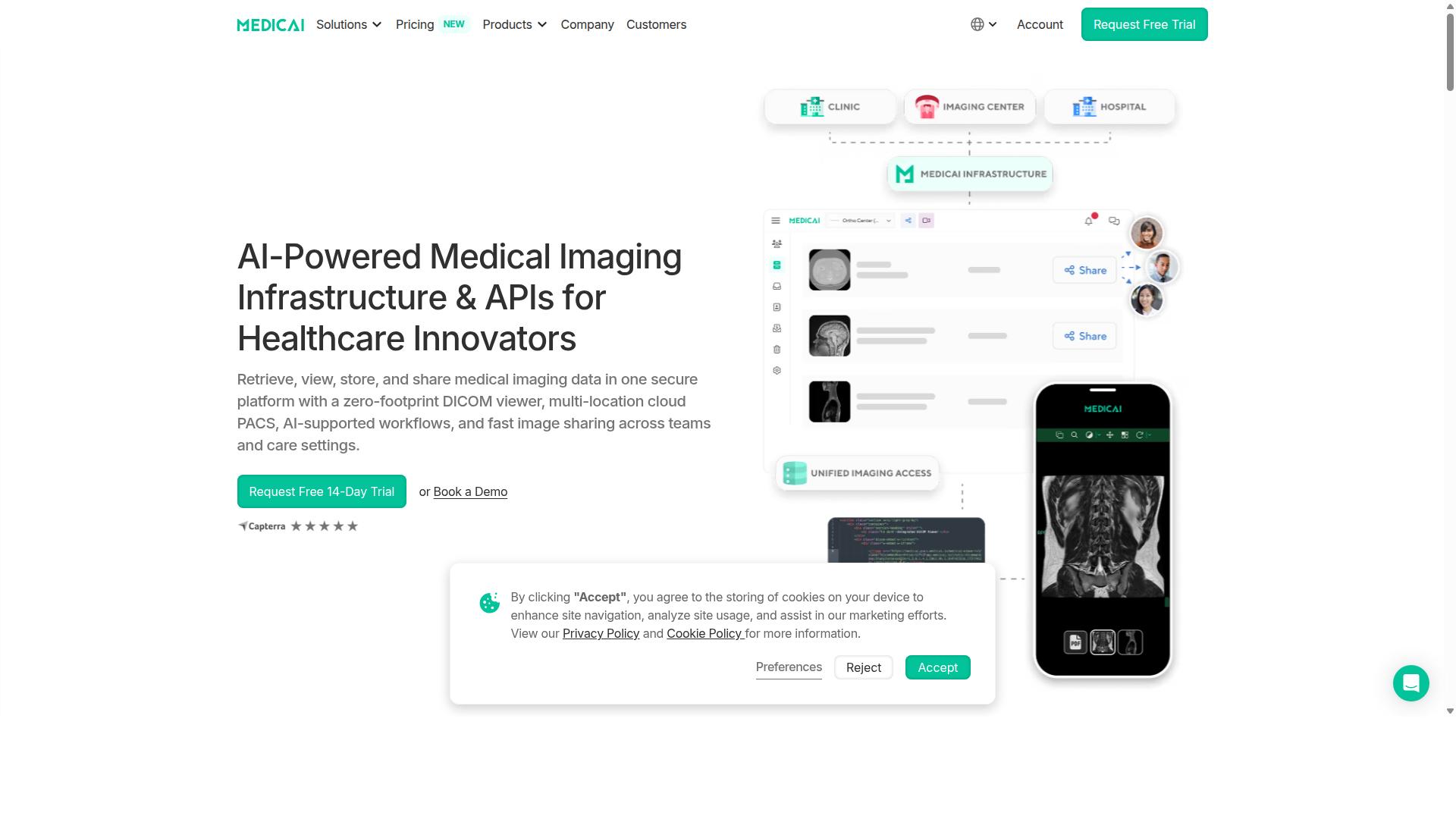
Medicai delivers comprehensive cloud-based medical imaging capabilities across healthcare provider networks. This platform operates as a SaaS solution with worldwide online access that distinguishes it from traditional PACS software installations.
The service handles 1M+ studies processed annually while maintaining 1.7M+ studies currently stored across its infrastructure. Healthcare organizations benefit from this global availability without requiring local server installations or geographic restrictions.
Provider networks gain immediate connectivity through the cloud architecture. Medical imaging workflows become accessible from any location with internet connectivity, supporting both single-site operations and multi-location healthcare systems.
Cloud PACS and DICOM Viewer Features
Medicai provides integrated Cloud PACS with multiple access and management functions. The platform combines CONNECT & RETRIEVE capabilities through its Medical Imaging Uploader and DICOM Gateway components.
STORE & MANAGE features include Cloud PACS functionality, Vendor Neutral Archive support, Patient Case Management tools, and Backup and Disaster Recovery services. These elements create unified storage solutions for medical imaging departments.
ACCESS & VIEW components deliver zero-footprint DICOM viewer capabilities, 3D reconstruction tools, and multi-site access functionality. Organizations can implement study routing automation and hanging protocols to standardize radiology workflow across different reading environments.
The zero-footprint viewer eliminates installation requirements for diagnostic workstations. Teams collaborate through shared access to imaging studies without compatibility concerns between different operating systems or device types.
Security and Compliance Standards
Medicai maintains rigorous security protocols and regulatory compliance certifications. The platform follows HIPAA and GDPR compliance standards while holding FDA/CEE clearance for its viewers.
Data encryption protocols protect information during transmission and storage phases. User permission granularity allows healthcare organizations to control access levels based on clinical roles and responsibilities.
Secure upload methods ensure protected transfer of medical imaging data from various modalities and clinical locations. The platform processes 50M+ yearly API transactions, demonstrating consistent reliability for enterprise imaging environments.
Audit trail capabilities track all system interactions for compliance reporting requirements. These features support healthcare organizations that need documented access records for regulatory audits and quality assurance programs.
Pricing and Storage Options
Medicai offers tiered monthly subscription plans with defined storage allocations. The Starter plan costs $249/month and includes 500 GB storage with unlimited user accounts but no connected locations.
The Standard plan provides $749/month pricing with 2 TB storage allocation and one connected location option. Both plans support unlimited user accounts for healthcare teams of varying sizes.
Yearly billing options deliver 15% savings compared to monthly payments. Starter plan users pay $209/month annually while Standard plan customers pay $639/month for the same storage and access features.
Enterprise pricing follows custom arrangements based on specific storage needs and multiple connected locations. DICOM Gateway setup requires a $1,000 one-time fee per location for organizations requiring direct modality connections.
2. Studycast
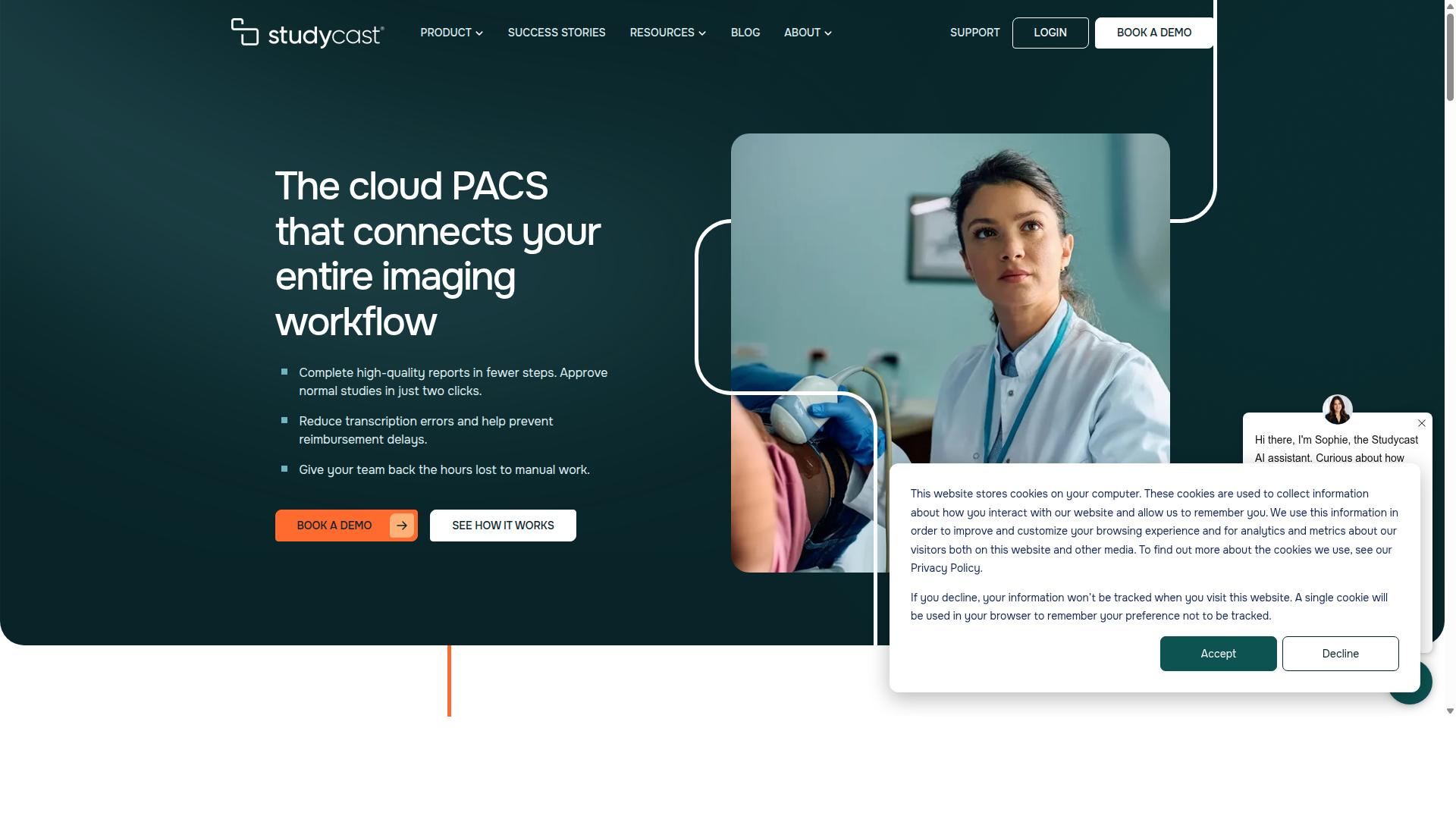
Studycast provides cloud-based imaging solutions for cardiology and radiology practices. The platform serves as a cloud PACS that handles storage and viewing of medical imaging studies across multiple modalities.
Practices can store ultrasound, nuclear imaging, X-ray, and MRI studies within a secure cloud environment. The system supports DICOM viewing while maintaining HIPAA compliance for protected patient information.
Workflow integration allows connection with existing electronic health record systems. Administrators gain access to structured reporting tools that streamline the process from image review to final report generation.
The platform accommodates various practice types including private offices, ambulatory surgery centers, and hospital systems. Mobile imaging services and multi-location enterprises can use the system for consistent access across different sites.
Users include physicians, sonographers, administrators, and IT staff who need reliable access to imaging data. The platform supports study types across cardiology, vascular, women's health, point-of-care, and veterinary specialties.
Image sharing capabilities enable secure distribution of studies between providers. Workflow automation features help reduce manual steps in the imaging process from study receipt to report approval.
3. Intelerad
Intelerad serves enterprise healthcare systems with comprehensive radiology solutions. The platform focuses on image exchange and secure access across large medical networks. Hospitals use it to consolidate imaging records from multiple departments and locations.
Enterprise imaging features allow health systems to bring radiology, cardiology, and pathology records together. The system works with vendor-neutral archives to store and retrieve studies without vendor lock-in. This approach helps facilities maintain control over their imaging data while supporting multi-site workflows.
Reporting tools connect directly to existing radiology information systems. Radiologists receive studies through established channels and generate reports that flow back into hospital records. The platform maintains audit trails to track who accessed each study and when.
Workstation capabilities include standard diagnostic viewing tools and study comparison features. Users can access images through traditional desktop setups or web-based interfaces depending on their needs. The system supports DICOM workloads and integrates with existing hospital infrastructure through common HL7 interfaces.
4. ProtonPACS
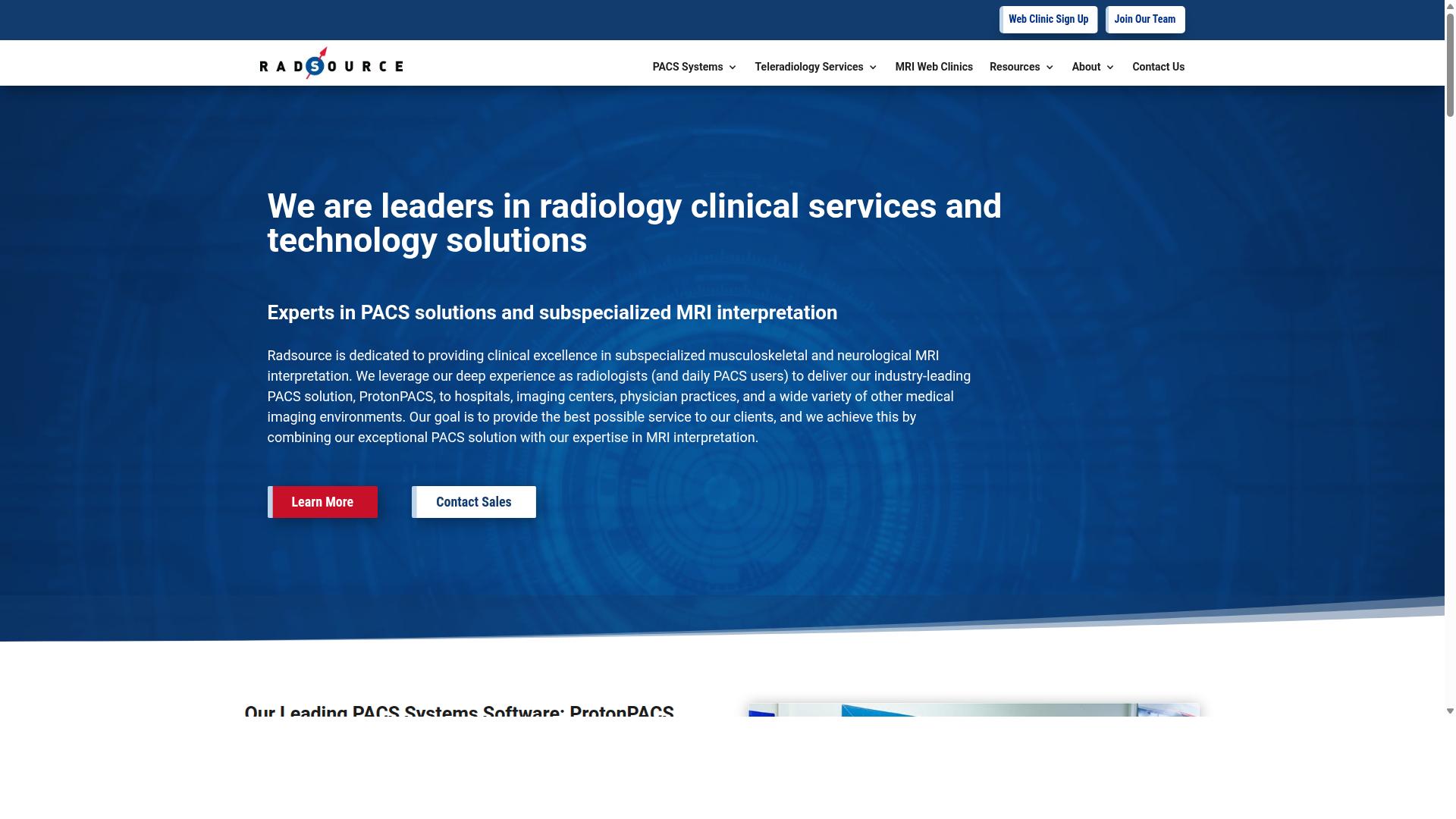
ProtonPACS offers PACS solutions primarily targeting smaller imaging facilities. The platform focuses on core radiology needs through its cloud infrastructure and diagnostic tools.
Basic PACS functionality includes image viewing and management for MRI, CT, x-ray, and ultrasound studies. Users access these capabilities through advanced workstations designed for routine diagnostic tasks.
Image archiving centralizes medical images from multiple modalities in one location. This consolidation supports consistent access across different imaging departments within a facility.
The system provides dashboard features that present worklists and study status information. Staff can monitor incoming studies and track workflow progress through these interface elements.
ProtonPACS includes AI tools for automated measurements and 3D reconstruction capabilities. These features help radiologists process studies more efficiently during routine interpretation.
Real-time updates and multi-device accessibility allow team members to review cases from various locations. HIPAA-compliant security protocols protect patient information throughout the system.
The platform integrates with RIS and EMR systems to support broader clinical workflows. This connectivity helps maintain consistent patient records across different healthcare applications.
Positioned for radiology professionals, orthopaedic practices, hospitals, and imaging centers, ProtonPACS addresses the needs of facilities seeking reliable image management solutions.
5. Ambra Health
Ambra Health focuses on medical image exchange and teleradiology workflows. The platform supports secure storage and sharing of DICOM and non-DICOM images across multiple sites and systems. Organizations use it for both day-to-day operations and remote collaboration needs.
Image sharing networks form the core of this solution. Users upload studies from various locations and access them through a web browser without additional software installation. The system handles role-based permissions so different team members see only the studies they need.
Teleradiology support allows radiologists to read studies from anywhere with an internet connection. The platform provides web-based diagnostic viewing tools including measurements and annotations. Remote teams can collaborate on cases while maintaining consistent workflow processes.
Many hospitals and research organizations choose this approach when they need to connect multiple facilities without building their own infrastructure. The vendor neutral archive capabilities help consolidate images from different sources into one accessible location. This reduces the complexity of managing separate systems across departments or locations.
Academic centers often rely on these image exchange features for multi-site studies and teaching purposes. The anonymization tools protect patient data during research collaborations. Overall, the system suits environments where flexible access matters more than specialized workstation features.
6. UltraLinq
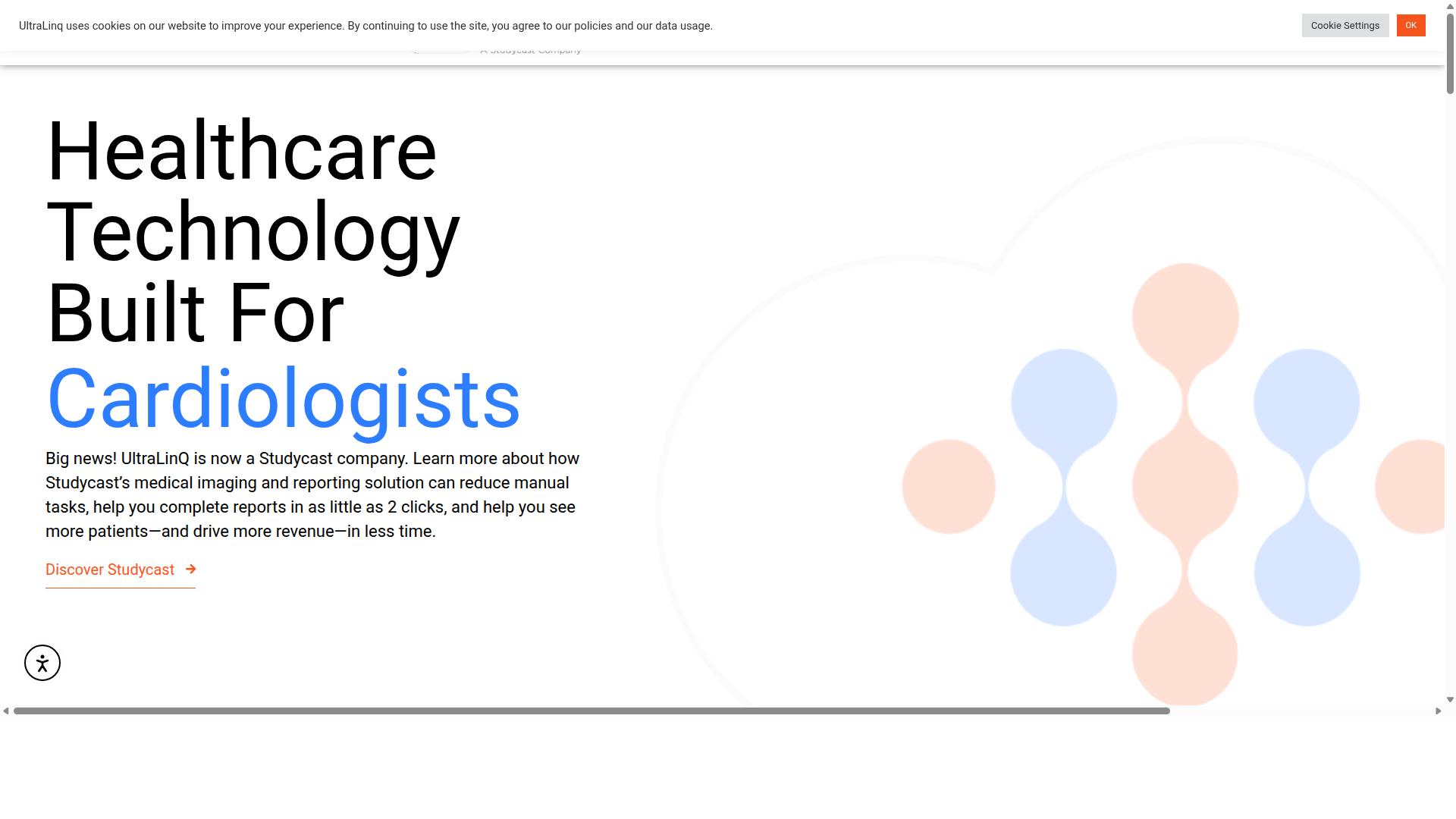
UltraLinq provides cloud-based ultrasound workflow solutions. The platform delivers remote access to patient reports and images through any internet-connected device. This approach supports cardiology practices and imaging centers that need consistent access across multiple locations.
Cloud PACS capabilities form the foundation of UltraLinq's service model. The system allows cardiologists, sonographers, and vascular specialists to view studies without installing software at each workstation. Enterprise security features include multi-factor authentication and single sign-on protocols that align with healthcare compliance requirements.
Modality integration enables the platform to connect with various ultrasound equipment manufacturers. The system accepts DICOM images from different vendors and maintains compatibility with existing hospital networks. This flexibility reduces the need for additional interface development when adding new imaging devices.
Post-processing analytics and customizable worksheets help standardize report generation across different users. The platform supports personalized report branding, which maintains institutional identity while streamlining documentation workflows. Light and dark viewing modes accommodate different user preferences during extended reading sessions.
Typical users include rural clinics, hospitals, family practices, and women's health centers that require reliable image access without dedicated on-site servers. The system also serves research institutions and imaging schools where students need secure access to teaching files and case studies.
7. Agfa HealthCare
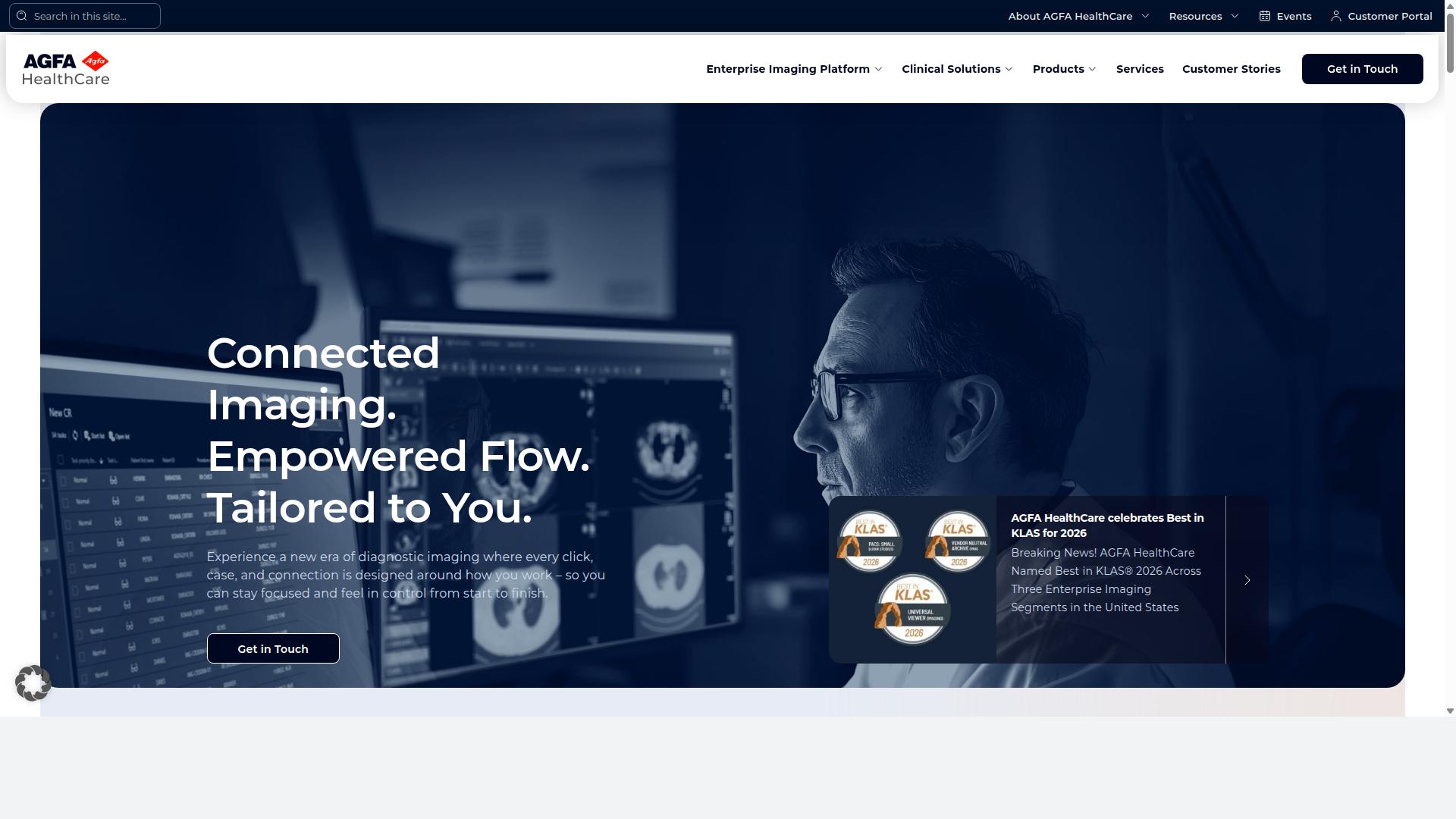
Agfa HealthCare delivers enterprise imaging platforms for large healthcare organizations. The solution combines multiple imaging systems into one secure and standards-based environment.
Organizations can deploy this platform on-premises, in hybrid setups, or through cloud environments. It covers radiology, cardiology, digital pathology, breast imaging, and other clinical specialties.
The platform includes several core components that work together. These include a universal viewer, vendor neutral archive, and business intelligence tools.
Interoperability remains a central focus throughout the system design. Security considerations are built into every layer of the architecture.
Clinician workflows receive priority in how the system organizes daily tasks. The platform addresses the needs of healthcare systems that manage imaging across multiple facilities and departments.
How to Choose the Right Option
Selection criteria should align with specific healthcare provider requirements and operational scale. Different facilities face unique workflow demands that influence which PACS software meets their needs most effectively.
Hospitals typically require enterprise imaging solutions that support multi-site access and handle high volumes across departments. These organizations benefit from platforms offering strong modality integration and HL7 interface capabilities for seamless data exchange.
Imaging centers focus on efficient study routing and image archive management. They prioritize cloud PACS systems that enable quick image sharing with referring physicians while maintaining HIPAA compliance standards.
Specialty providers in orthopedics, neurology, oncology, radiology, cardiology, ophthalmology, ob-gyn, pulmonology, dentistry, and gastroenterology each present distinct workflow requirements. Orthopedic practices often need 3D reconstruction capabilities, while oncology departments require robust study comparison tools for treatment monitoring.
Practice size significantly impacts platform selection. Smaller facilities may prefer zero footprint viewers that require minimal IT infrastructure, whereas larger networks need vendor neutral archive systems supporting comprehensive user permissions and audit trail features.
Multi-site requirements demand platforms that accommodate distributed teams through secure upload capabilities and mobile access options. Teleradiology services particularly value systems offering reliable study routing across geographic locations.
Decision makers should evaluate DICOM viewer functionality against their diagnostic workstation needs. Organizations requiring advanced visualization benefit from solutions supporting image annotation and hanging protocols for consistent reading environments.
EMR integration remains essential for most healthcare segments to maintain workflow continuity. RIS integration capabilities ensure that radiology reporting aligns with existing administrative processes.
Medicai serves healthcare providers across hospitals, imaging centers, and specialty care providers including orthopedics, neurology, oncology, radiology, cardiology, ophthalmology, ob-gyn, pulmonology, dentistry, and gastroenterology. The platform also supports virtual care providers, telemedicine platforms, and teleradiology services through its SaaS delivery model.
Personal injury lawyers, tumor boards, clinical trials, and medical education organizations represent additional user segments that rely on medical imaging solutions for their specific documentation and collaboration requirements. Patients access studies through the Patient Portal feature.
Final Verdict
Platform selection ultimately depends on matching specific technical requirements with provider capabilities. Organizations evaluating OnePacs alternatives must weigh annual study volume, regulatory clearances, and integration depth against their radiology workflow needs.
Medicai processes over 1M studies annually and maintains 1.7M studies in storage. The platform delivered 300k DICOM visualizations last year and completed 50M API transactions, which demonstrates capacity for high-volume imaging environments.
HIPAA and GDPR compliance combined with FDA and CEE cleared viewers distinguish Medicai from platforms still pursuing regulatory certification. These clearances support deployment across multi-site enterprises and teleradiology networks that require validated diagnostic tools.
The platform follows OWASP security guidelines and operates on Microsoft Azure infrastructure. This combination addresses enterprise imaging demands for secure upload, audit trail capabilities, and zero footprint viewer access across 70 clinics and hospitals.
Global availability stems from a partnership ecosystem that enables multidisciplinary tumor boards and cross-border image sharing. Ten thousand active doctors use the system, which supports study comparison, image annotation, and mobile access without local software installation.
Organizations requiring modality integration, HL7 interfaces, or RIS connectivity should verify specific vendor capabilities against their existing infrastructure. Medicai's 2M imaging studies uploaded and 65 percent reduction in diagnosis time reflect operational scale that may align with high-throughput radiology departments seeking cloud PACS solutions.
Recommended Resources: